




When I take a seat with a fresh stack of chips and look across the virtual felt at Goldenmina Casino, Three Card Poker immediately stands out as one of the most approachable table games on the homepage. I think back to my own first hands vividly: the thrill of holding a suited queen and wondering whether to increase the ante, the subtle pleasure of watching the dealer reveal a jack‑high nothing and awarding me even money. The game strips away the complication of multi‑street decision‑making and compensates quick, disciplined choices. For fresh players from the UK particularly, it offers a gentle on‑ramp to the casino environment while still offering the authentic excitement of a card game where each hand finishes in seconds. I want to walk you through everything important, from the fundamental rules and the famous Q‑6‑4 strategy to the specific ways Goldenmina Casino offers the experience on computer and smartphone, so you can approach your initial hand with self-belief.
Money Management and Stake Limits
Irrespective of how well you understand the Q‑6‑4 rule, the manner in which you control your money at the table will eventually decide whether your Three Card Poker sessions remain fun or turn frustrating. I tackle every session by first carving out a budget I am okay with losing, then dividing it into individual hand units that hold the ante stake comfortably small relative to the total. A sensible rule of thumb for new players is to carry at least forty times your planned ante size to the table, because that buffer soaks up the natural swings stemming from a high‑frequency game where you can readily lose eight or nine hands on the bounce even with perfect strategy. When I include the Pair Plus side bet, I regard it as a separate entertainment expense and limit it at a quarter or less of my main ante unit, so that a cold run of unpaired hands does not deplete my bankroll too quickly.
At Goldenmina Casino, the table limits span a wide enough range that I have been able to commence at the smallest stakes while learning and then shift to higher stakes as my confidence grew. The on‑screen display always shows the minimum and maximum for the ante, play and Pair Plus bets, so there is no guesswork. I recommend that beginners steer clear of the appeal of raising stakes after a few wins and instead adhere to the same flat ante for at least a hundred hands, because that discipline creates a truthful view of how the math works over time. The site’s in‑built session history and transaction logs also allow me to check exactly how much I wagered and won across a stretch, which is a practical tool for UK players who want to keep their recreational play within the boundaries defined by the Gambling Commission‑mandated responsible‑gambling tools. A balanced budget, paired with the strict fold‑or‑play strategy, preserves the experience light‑hearted and centered on the genuine entertainment value.
Playing Three Card Poker at Goldenmina Casino
As I open the plinko casino goldenmina homepage and look through the table games section, I am always pleased to see multiple Three Card Poker variants featured prominently alongside roulette and blackjack. The standard digital version offers a polished felt, crisp card graphics and a user interface that makes toggling between ante, play and Pair Plus bets effortlessly simple, even on a mobile screen. Live‑dealer Three Card Poker enhances the experience by streaming a professional croupier from a dedicated studio, complete with multiple camera angles and a real card shoe. I have played live sessions where the dealer’s personality stood out, adding a layer of warmth that reminds me why I fell in love with casino gaming in the first place. The bet limits are plainly shown before you take a seat, and there are options to adjust chip denominations so you can begin with stakes as modest as a pound or two, ideal for testing the Q‑6‑4 rule without pressure.
Beyond the game itself, the surrounding infrastructure at Goldenmina Casino makes the whole experience feel seamless. The welcome offer typically includes a match deposit bonus that can be used on table games, though I always check the latest terms on the promotions page to see the exact wagering contribution; many UK‑facing casinos assign a lower weighting to blackjack and poker‑style games, so confirming that detail saves disappointment later. Deposits through Visa, Mastercard, PayPal, Skrill and paysafecard usually process immediately, while withdrawals are processed within one to three working days depending on the method, a timeline I have found to be aligned with industry standards. The platform works smoothly on iOS and Android browsers without any clunky downloads, and the SSL encryption and responsible‑gambling tools, including deposit limits and reality checks, are easy to locate. For a newcomer who simply wants to sit down and play Three Card Poker with the reassurance of a regulated British operator, I view the overall package honest and well‑executed.
What Makes Three Card Poker Appeals to UK Casino Players
There is a quality distinctly British about a card game that provides a cup of tea’s worth of strategy and a pint of excitement, and Three Card Poker suits that mood perfectly. UK players are inclined to appreciate titles that give them a clear sense of agency without demanding a chess clock’s worth of decisions, and the Q‑6‑4 play‑or‑fold choice delivers exactly that. I have sat next to seasoned blackjack players who turn to Three Card Poker when they want to decompress, precisely because they can follow a simple rule and still feel they are exercising a skill. The social rhythm also plays a role: in a British pub or club environment, the game’s quick turnover preserves the atmosphere lively, and the online version reflects that pace especially well on Goldenmina Casino’s live‑dealer streams, where you can chat with the croupier and other players between hands.
Another factor is the way the game slots neatly into the UK’s regulatory framework. Three Card Poker is widely offered on platforms licensed by the UK Gambling Commission, which means players have strong consumer protections, regular audits of random number generators and transparent dispute resolution. At Goldenmina Casino, I have checked that the homepage footer displays the Commission’s logo and a clickable link to the licence register, which provides me the confidence that every shuffle, whether RNG or live, is independently tested. British players also take advantage of local‑currency wagering, no currency‑conversion fees and deposit methods ranging from Visa and Mastercard to PayPal and bank transfers, all of which are listed in the cashier section of the site. The combination of a simple ruleset, a strategy you can master in five minutes and the security of a fully regulated environment is why Three Card Poker has become a mainstay of UK online casino lobbies.
Frequent Blunders New Players Make and Ways to Prevent Them
Throughout countless hands of observing fellow newcomers and catching my own early slips, I have noticed a handful of recurring errors that quietly bleed money from a Three Card Poker bankroll. The most damaging is disregarding the Q‑6‑4 fold line. It is appealing to assume that any hand holding a queen warrants the play bet, but queen‑five‑two, for example, falls below the mathematical threshold and should be folded without a second thought. Another regular mistake is treating the Pair Plus bet as required; it is not, and loading it heavily on every hand increases your overall house edge significantly because the side bet bears a higher long‑term cost than the ante‑play progression. I have also seen players raise their bet size after a dealer fails to qualify, wrongly believing the deck has shifted in their favour, when in fact each hand is an separate event with no trace of the previous outcome.
Speed is another silent enemy. Because the digital version of the game at Goldenmina Casino processes hands in seconds, it is easy to slip into auto‑pilot and tap “play” on questionable holdings without hesitating to check the Q‑6‑4 qualifier. I offset this by manually slowing my rhythm, especially on mobile where a quick thumb press can bypass careful judgement. A similar pitfall concerns getting wrong the payout when the dealer fails to qualify; I have encountered new players who assumed both ante and play bets lost, when in fact the play bet is merely returned. Checking the pay table and the rules once at the start of a session removes that confusion. Finally, chasing losses by moving from one table to another or raising the ante after a losing streak converts a calculated game into an emotional one. I always tell myself that Three Card Poker rewards a cool, rule‑based approach, and at a well‑regulated UK platform like Goldenmina Casino, the best wins are the ones achieved with a clear head and a controlled wallet.
Three-Card Poker Pay Tables and House Advantage
The house advantage in Three Card Poker divides into two distinct streams: the ante-play part and the Pair Plus side bet, and the values vary enough that they merit to be analyzed individually. With best Q‑6‑4 approach on the ante and play, the house edge typically sits around 2.01 per cent of the total ante wager per hand, though specific values vary slightly depending on the payout chart for the bonus ante payout that some casinos include for strong hands such as a straight and above. The aspect of dealer failing to qualify to reach the threshold returns worth that would be lost otherwise, which is why the variant is far friendlier than the edges above five percent lurking in some novelty wagers. I have monitored my own sessions over several hundred hands and found that, with rigorous application to the basic strategy, my rate of loss per hand stayed very close to the claimed two-percent figure, confirming that discipline genuinely matters.
Pair Plus payments, on the other side, can deliver casino advantages spanning from about 2.3 percentage points to over 7 percentage points based on the exact pay scale of the table. A layout that awards 40‑to‑1 for a straight flush hand, 30‑to‑1 for three-of-a-kind, 6‑to‑1 for a flush hand and 1‑to‑1 for a pair gives the establishment an advantage near 2.3 per cent, while a layout paying only 3‑to‑1 for a flush hand moves the edge closer to 7 per cent. At Goldenmina Casino you will find a transparent information display in every game that shows the current pay table, so there is no need to guess. I always press that icon on mobile devices or hover on it on PCs before making the Pair Plus bet, because gaining half a percentage point over a extended period of play accumulates to genuine cash. For UK gamblers who value the transparency of regulated gaming, understanding these figures is part of the enjoyment, and the licence-backed fairness of the brand assures that the presented odds match the actual statistical output.

Core Strategy: Queen‑Six‑Four and the Right Time to Fold
When I initially examined Three Card Poker seriously, the key recommendation that reshaped my whole strategy was the Q‑6‑4 guideline. It is the mathematically optimal boundary for deciding whether to fold or play, and it is easy to remember: you should make the play bet if your hand is queen‑six‑four or higher, and fold any weaker hand. To implement it, you evaluate your three cards in order from the highest to the lowest. If your top card is a king or ace, play immediately. If it is a queen, check the second card; if the middle card is a seven or higher, play. If the second card is a six, examine the third card; play only if the third card is a four or higher. If your hand fails any of those tests, fold and keep the play bet. The rule sounds precise because it is, and deviating from it repeatedly raises the house edge from roughly two percent to something noticeably steeper over a session.
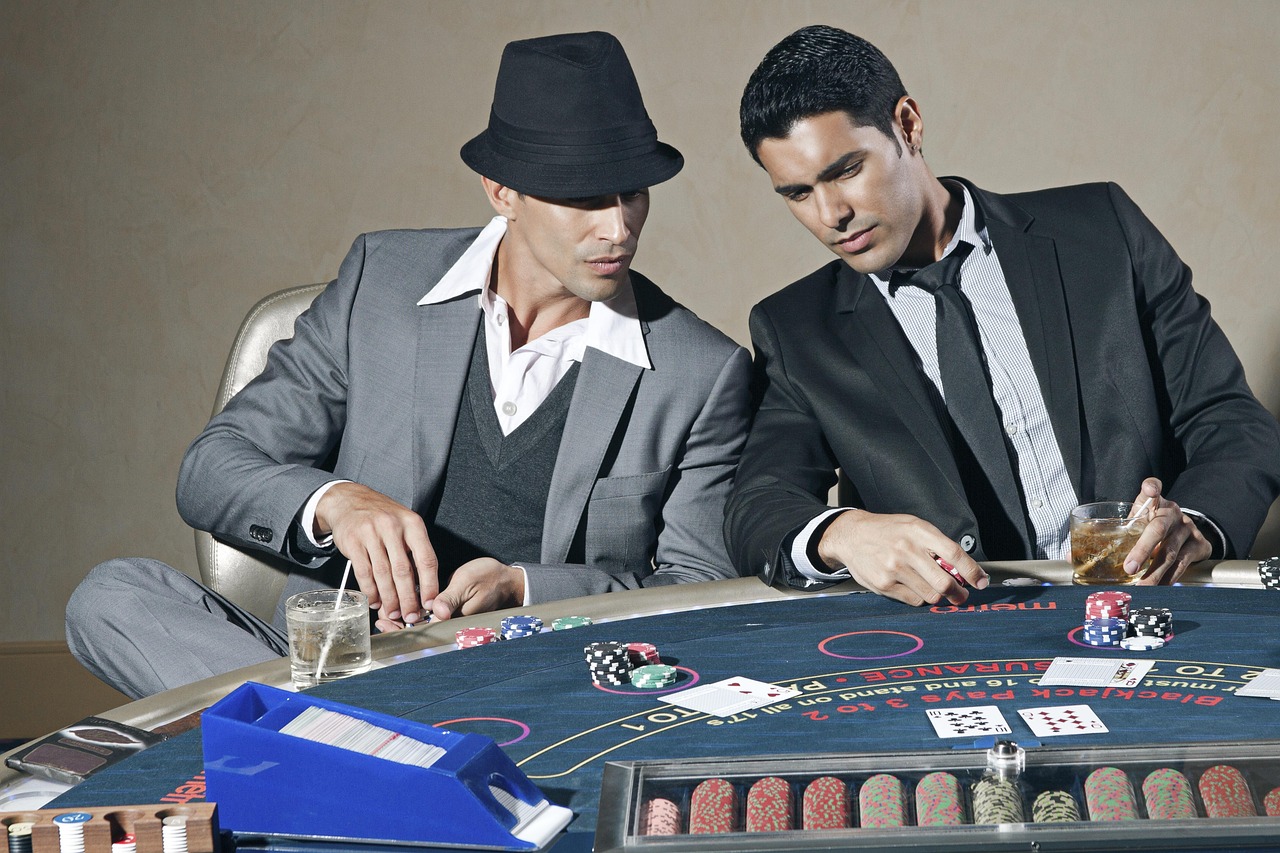
Many new players experience a temptation to play any hand that includes a picture card, but a jack‑high hand, say, should be folded virtually always against a full deck distribution. I have observed dozens of rounds where a optimistic player reveals a jack‑ten‑eight, places the play bet and then sees the dealer reveal queen‑four‑two to collect both wagers. The cost of those close calls accumulates quickly. At Goldenmina Casino, where the game tempo is fast and hundreds of hands can fly by in an hour, sticking to Q‑6‑4 is among the easiest methods to keep your mean loss per hand near the lowest possible theoretical value. Write the rule on a slip of paper if you have to while you play from home, or become familiar with a simple mnemonic: queen‑six‑four, not below that, or you are forfeiting extra value. I have tested the rule on both RNG and live‑dealer tables and the logic applies regardless of the delivery method.
The Ante‑Play and Pair Plus Wagers: How Each One Rewards
The ante‑play system is the beating heart of Three Card Poker, and understanding its payout logic is the initial move toward playing with true mastery. When you choose to play after seeing your cards, you make an extra bet equal to your ante, then the dealer exposes her cards. If she has queen high or above and your hand defeats hers, you receive even odds on the ante and the play stake. If she meets the requirement and you lose, both stakes are forfeited. When the dealer fails to qualify, the play bet is returned as a push and you win even money on the ante alone; this design protects you from dropping funds on average hands simply because the dealer just made it with a queen. I have regularly noticed that this safety net motivates fresh players to remain in hands they would normally discard, aware that a dealer who fails to qualify will at least preserve the play bet.
Pair Plus operates as a wholly standalone side stake that pays out via a predetermined table based solely on your trio of cards. The exact pay table can change among casinos, but a common layout at UK‑facing casinos like Goldenmina is even money for a pair, 6‑to‑1 for a flush, 4‑to‑1 on a straight, 30‑to‑1 for three of a kind and 40:1 for a straight flush. Mini‑royal suited hands sometimes enhance the highest payout additionally. As the Pair Plus stake ignores whether the dealer qualifies or her cards, it functions as a direct lottery ticket on the strength of your own hand. I advise that fresh players consider it an extra not the primary focus: put a small flat wager on the Pair Plus circle for an occasional excitement, but reserve the majority of your bankroll on the ante area where tactics really make a difference. Verifying the exact reward chart on the Goldenmina Casino screen before your initial play is always a smart step, because slight variations in flush or straight odds shift the long‑term expense of that side bet.
Grasping the Dealer’s Qualification Hand
The qualifier is the mechanism that prevents Three Card Poker from turning into a pure luck contest and imparts the ante bet its characteristic rhythm. The dealer has to hold a hand of queen high or better to qualify; if she displays queen‑six‑three, jack‑king‑four or any hand with no queen, king or ace in the lead, she fails. When that occurs, your ante bet returns even money and your play bet is simply refunded to you no matter what you hold. This means you can win money on the ante even when you are holding a dismal nine‑high collection, as long as the dealer also did not hit the mark. I have observed newcomers visibly ease up when they realise that being dealt a weak three cards does not automatically lead to a loss, because roughly one in four hands the dealer will fail to qualify entirely.
Because the qualifier boundaries exist, the effective strength of the dealer’s hand skews your decision‑making in a subtle way. When you hold a hand just above the Q‑6‑4 fold line, you are betting that the dealer will either not qualify or that your marginal holding still is better than her qualifying range when she does make it. In practice, if you play a queen‑seven‑three, you will overcome the dealer when she fails to qualify and also when she qualifies with a hand worse than queen‑seven, which happens reasonably often because many of her qualifying hands will be queen‑high combinations with low kickers. The mathematics behind this is why the Q‑6‑4 formula equalises risk so precisely. At Goldenmina Casino, the live‑dealer tables sometimes let you to see the dealer’s face‑up card or the rhythm of the game, but the qualifying rule stays unchanged across all versions. I always advise myself that folding a weak queen‑high hand is not cowardly, it is simply respecting the queen‑six‑four frontier.
What Is Three Card Poker and How Does It Work?
Three Card Poker represents a casino table game that has you compete against the dealer as opposed to other players, and it accomplishes this with just three cards apiece. The game was created in the 1990s by Derek Webb, who sought to create a poker‑derived title that was fast, simple and gave the house a slimmer edge than the carnival games of the era. Today it is a fixture in both land‑based and online casinos across the UK, including the live‑dealer lobbies you can reach from the Goldenmina Casino homepage. The core idea is delightfully simple: you put down an ante, the dealer gives you three face‑down cards and herself three cards, and you must decide whether to fold and lose your ante or to play by putting up a second bet equal to the ante. After you decide, the dealer shows her hand, and if she possesses queen high or above she qualifies; if she fails to qualify, you receive even money on the ante and the play bet is refunded as a push.
Beyond the main ante‑play mechanic, the game features an optional side bet called Pair Plus that pays out solely on the strength of your own three‑card hand, no matter what what the dealer holds. A straight, for example, may pay 6‑to‑1 while a straight flush or three of a kind goes into the 40‑to‑1 territory on many tables. At Goldenmina Casino you can usually find both the standard Pair Plus wager and the ante‑play progression offered on every digital and live‑dealer version. I like this because it enables me to pick whether to chase the pure hand‑strength payout, stick to the main game, or combine both for a fuller risk profile. The rules are identical whether you are clicking a virtual chip stack or observing a real dealer slide cards across a studio table, which means you can practise online with the same logic you would apply at a physical casino.