


The Allure of Chance
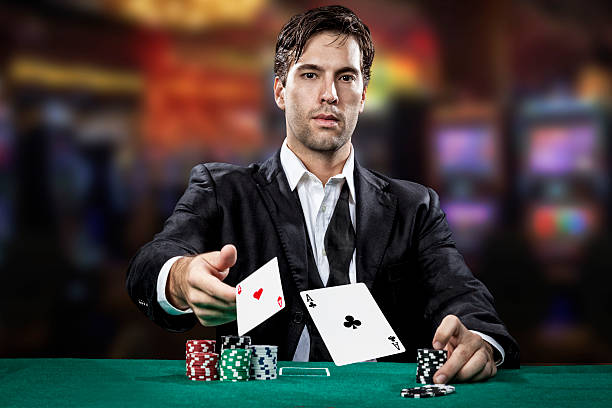
The intrigue of casino games often lies in the excitement of chance. Players are drawn to the unpredictability of outcomes, which creates a compelling emotional experience. The thrill of potentially winning big, paired with the risk of losing it all, engages the brain’s reward system. This activation releases dopamine, the neurotransmitter associated with pleasure, making players feel exhilarated. Casinos leverage this psychological aspect to heighten involvement, ensuring that participants remain engaged longer. Many enthusiasts explore various online platforms, such as aboutroundabout.com , where the mix of anticipation and hope for a favorable outcome generates an addictive cycle, prompting players to return time and again.
Moreover, the element of chance fuels various cognitive biases, particularly the illusion of control. Players may believe that they can influence the outcome through their decisions or rituals, such as using lucky tokens or specific betting strategies. This belief can lead to increased playtime as individuals chase perceived control over randomness. The psychological aspect of feeling in charge of their outcomes can create a cycle of reinforcement, tempting players to return for more as they chase elusive victories. This need for control can be particularly strong in games with a skill component, where players feel their abilities might sway the results.
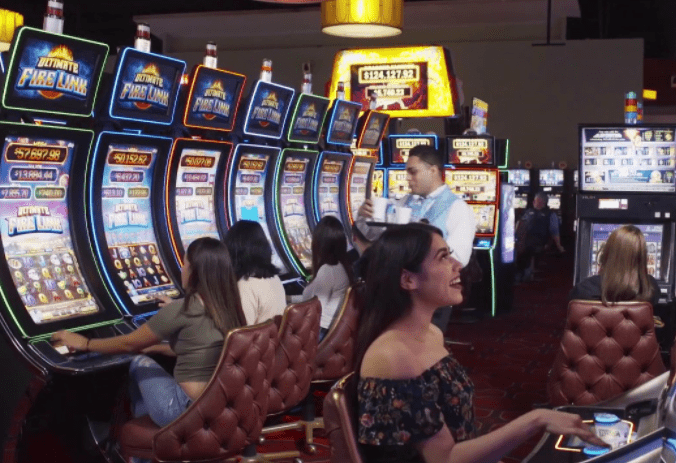
This enticing dynamic does not only apply to traditional table games but extends to electronic slot machines and online betting. Developers design these games with specific psychological triggers, such as near-misses and instant gratifications, which keep players hooked. The combination of colorful visuals, engaging sounds, and immediate feedback enhances the sense of excitement and urgency, driving players to continue betting for that next big win. This environment fosters a belief in luck and skill, leading to an ongoing cycle of play that can be difficult to break.
The Role of Environment
The ambiance of a casino plays a crucial role in influencing player behavior and decisions. Many casinos are designed to create an immersive experience, often employing dim lighting, vibrant colors, and stimulating sounds that heighten emotional responses. This carefully curated environment can lead to a state of flow, where players lose track of time and become fully absorbed in the experience. Such a setting encourages individuals to spend more time gambling, often resulting in increased losses over extended periods. The architectural design, including the layout of gaming areas and the placement of popular machines, is meticulously planned to optimize player engagement.
Additionally, sensory elements within a casino, such as the clinking of coins or the jingling sounds of a slot machine, reinforce the excitement of potential wins. These auditory cues can trigger nostalgic feelings and associations with previous successes, often leading players to feel more optimistic about their current gaming sessions. This sense of nostalgia not only drives participation but also can lead to emotional attachments to specific games or machines, further solidifying their loyalty to the casino. The combination of sights and sounds creates a multi-sensory experience that entices players to immerse themselves in the gaming environment.
The strategic layout of casinos also facilitates a subconscious decision-making process. When positioned near entrances or high-traffic areas, popular games attract more players, creating a social aspect that can be enticing. The visibility of others winning encourages new players to join in, drawing them into the thrill of the game. This phenomenon highlights another crucial aspect of casino psychology: the influence of social proof, which can significantly impact individual choices and perceived enjoyment. The design of the space encourages players to interact and share their experiences, enhancing the appeal of gambling.
The Concept of Loss Aversion
Loss aversion is a key psychological principle that explains why players often engage in risky behaviors at casinos. Research has shown that the pain of losing is psychologically more impactful than the pleasure of winning. This phenomenon can lead players to chase losses, often betting larger amounts in an attempt to recover previous losses. As a result, players may find themselves in a cycle of increasing wagers that leads to more significant losses, fueled by the hope of recouping their investments. This tendency can escalate quickly, resulting in a gambling spiral that is difficult to escape.
Furthermore, casinos exploit this concept through various promotions and loyalty programs designed to incentivize continued play. Players may receive bonuses or free spins which can create an illusion of “free money,” encouraging them to wager more. This marketing technique leverages loss aversion, as players feel they must take advantage of these offers despite the potential for losses. The underlying psychology makes it difficult for individuals to recognize that they are often losing more than they gain, perpetuating a cycle of gambling. The emotional drive to recover losses can overshadow rational thinking and responsible gambling practices.
Understanding loss aversion also sheds light on why some players prefer games with a higher degree of risk and reward. The excitement associated with high-stakes games can be more appealing, even when they come with increased chances of losing. Consequently, casinos capitalize on this craving for thrills, creating a gaming landscape that fosters a willingness to engage with riskier options. This combination of emotional highs and lows contributes significantly to the overall gambling experience. The pursuit of a big win can become a powerful motivator, overshadowing the realistic assessment of odds and outcomes.
The Impact of Social Influence
Humans are inherently social beings, and the casino environment amplifies this aspect remarkably. The presence of other players can have a profound effect on individual behavior and decision-making. When surrounded by other people, individuals may feel more compelled to participate in games and take risks they might avoid when alone. This influence is driven by the desire for social connection and the thrill of shared experiences, which can often lead to impulsive decisions. The camaraderie of fellow players can create an atmosphere of excitement that encourages more aggressive betting.
Moreover, social dynamics like peer pressure can significantly affect gambling behavior. Friends or acquaintances who engage in gambling can encourage others to join, creating a social norm around betting. This communal aspect often results in players betting more aggressively, sometimes to showcase their willingness to take risks. The phenomenon of groupthink also plays a role, where individuals, wishing to align with the group’s expectations, may make decisions they would not otherwise consider in isolation. This dynamic can lead to a heightened sense of risk-taking that is often amplified in social settings.
Additionally, online casinos have adapted these social influences to virtual platforms. Features like live dealers, chat functions, and social media integrations allow players to engage with others while gaming. These elements enhance the social experience, making individuals more likely to continue playing. The online landscape leverages the same psychological principles, creating a sense of community and shared excitement that can keep players coming back for more. This social interaction is crucial in sustaining player engagement and fostering loyalty within the online gambling space.
Explore the Psychology Further
Understanding the psychology behind casino games is essential for both players and operators alike. By recognizing the mental triggers that attract players, individuals can make more informed choices about their gambling experiences. It’s vital to approach gaming with awareness of these psychological elements, ensuring that enjoyment does not overshadow responsible behavior. Awareness of these factors can lead to healthier gambling habits and a more balanced perspective on risk and reward.
For casinos, acknowledging these psychological factors can lead to better customer experiences as well. By creating environments that cater to emotional engagement while promoting responsible gaming, establishments can build lasting relationships with their clientele. Responsible gambling initiatives, along with active communication about the risks of gambling, can enhance the gaming experience while prioritizing player well-being. This approach can foster a positive reputation and encourage a loyal customer base.
As players delve deeper into their understanding of casino psychology, they can cultivate a healthier relationship with gambling. Engaging responsibly and being aware of the psychological factors at play can enhance the enjoyment of the experience while mitigating potential risks. This journey into the psychology of gambling encourages players to seek balance and fun in their gaming endeavors, contributing to a more positive gambling culture overall. Emphasizing education and awareness can empower individuals to make choices that align with their values and well-being.